
Bşia transportoare din plasă metalică vs. Banda transportoare din plasă de sârmă: un cadru de selecție tehnică
Distincția dintre o bandă de plasă transportor metal și o bandă de plasă transportoare de sârmă nu este doar semantică, ci determină eficiența operațională, conformitatea cu salubritatea și costul total de proprietate. În timp ce termenii sunt adesea folosiți în mod interschimbabil, diferențele critice în arhitectura țesăturii, capacitatea de încărcare și răspunsul termic dictează că fiecare este potrivit pentru procese industriale distincte. Acest articol oferă un cadru comparativ pentru a ghida deciziile de achiziții de mare valoare, trecând dincolo de specificațiile generice pentru a aborda provocările de producție din lumea reală.
Dincolo de terminologie: definirea celor două arhitecturi
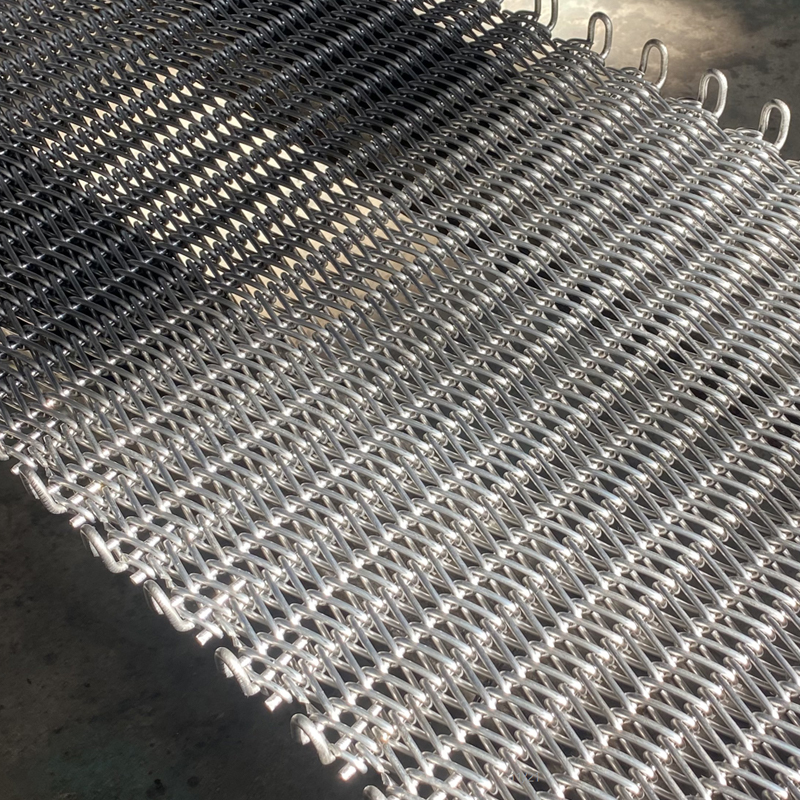
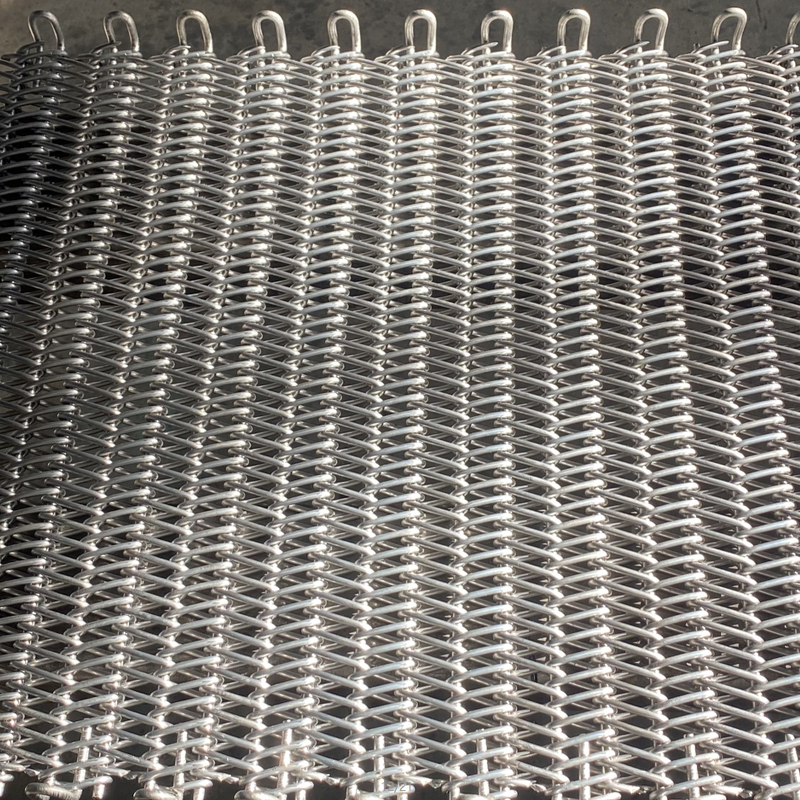
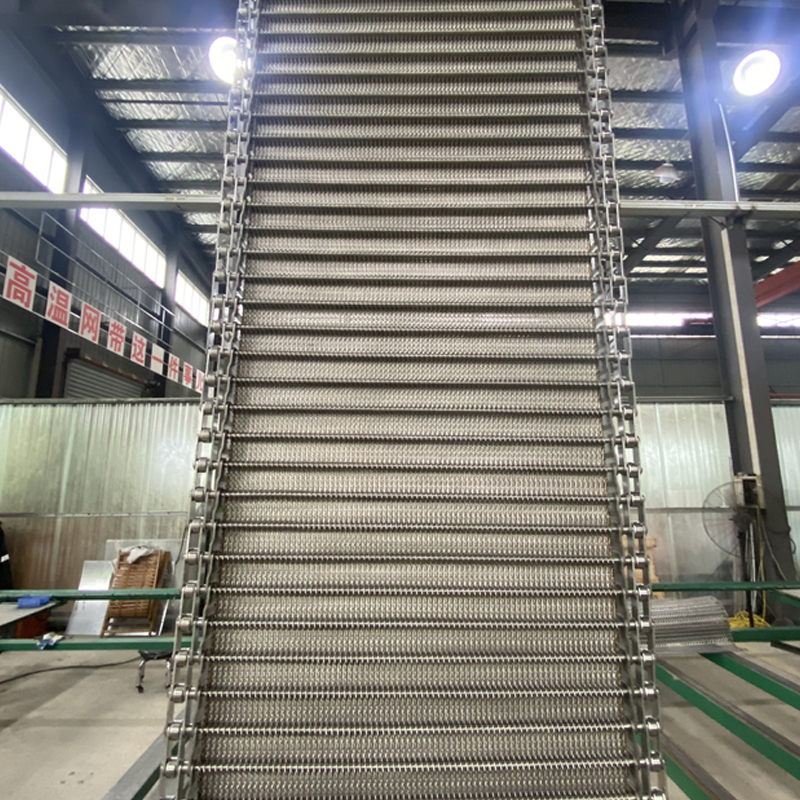
În transportul industrial, termenii bandă transportoare din plasă metalică and bandă transportoare din plasă de sârmă sunt frecvent confundate. Cu toate acestea, specificațiile de inginerie trasează o linie clară: bandă transportoare din plasă de sârmăs sunt construite din fire rotunde țesute sau înfășurate în spirală, creând o structură flexibilă, deschisă, ideală pentru prelucrarea termică. În schimb, categoria mai largă a bandă transportoare din plasă metalică cuprinde proiecte care utilizează sârmă plată, baloti formați sau legături antrenate de lanț care acordă prioritate rigidității structurale și transferului de sarcini grele [citare: 1] [citare: 5].
Implicațiile practice sunt imediate. O centură din plasă de sârmă cu o zonă deschisă de până la 86% permite un flux de aer superior pentru uscare sau înghețare, în timp ce o curea din plasă metalică plată oferă o suprafață de transport mai netedă pentru produse delicate sau cu amprentă mică [citare:10][citare:5]. Înțelegerea acestei diferențe fundamentale este primul pas către optimizarea liniei dumneavoastră de transport.
Sarcina si rezistenta la tractiune
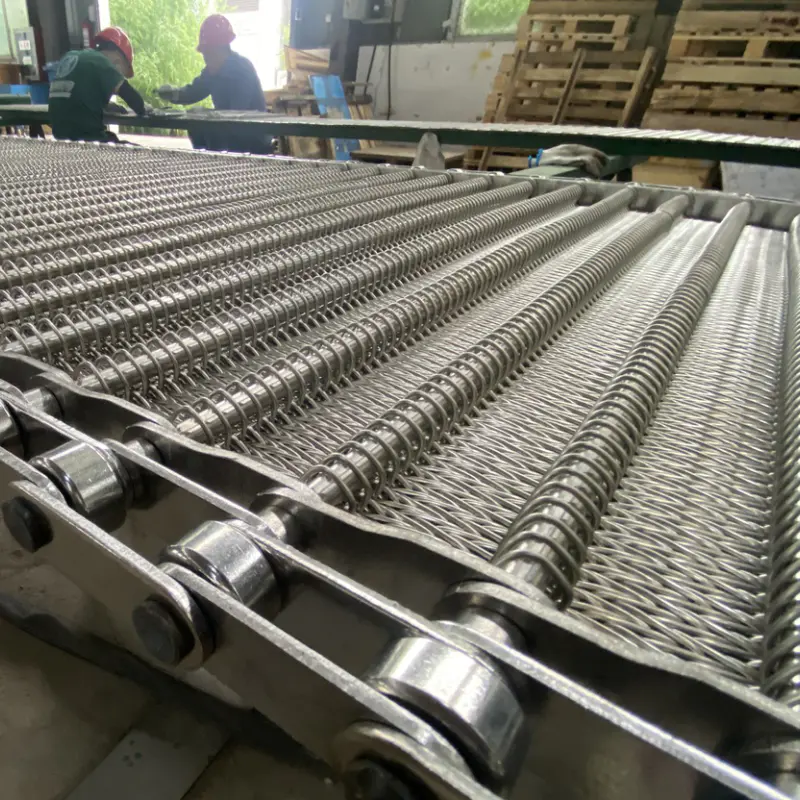
Centurile din plasă metalică acționate cu lanț suportă sarcini grele și tensiune ridicată. Curelele din plasă de sârmă excelează la sarcini ușoare până la medii, cu o masă mai mică a curelei [citare:1][citare:7].
Performanta termica
Curelele din plasă de sârmă asigură un transfer rapid și uniform de căldură - ideale pentru coacere și congelare. Curelele metalice cu sârmă plate oferă o rezistență mai mare la căldură în aplicațiile cuptoarelor [citare:3][citare:5].
Igienă și curățare
Modelele cu plasă deschisă (ambele tipuri) permit curățarea CIP. Versiunile din oțel inoxidabil îndeplinesc standardele USDA/NSF; Centurile din plasă de sârmă au mai puține crăpături pentru acumularea de agenți patogeni [citare:8][citare:10].
Personalizare
Ambele oferă personalizare extinsă: diametre de sârmă (0,9–5,0 mm), dimensiuni ale ochiurilor (1,5–25 mm) și tipuri de margini (buclă simplă/dublă, în formă de C) [citare:1][citare:10].
Analiză comparativă: plasă de sârmă vs. plasă metalică plată
Selecția dintre un tradițional bandă transportoare din plasă de sârmă și un fir plat bandă transportoare din plasă metalică se bazează pe parametrii de proces specifici. Tabelul de mai jos sintetizează compromisurile critice de inginerie.
| Parametru | Bandă transportoare cu plasă de sârmă | Curea din plasă metalică cu sârmă plată |
| Țesătură/Construcție | Bobine spiralate (echilibrate, compuse) sau fire rotunde țesute [citare:3][citare:12] | Benzile plate interblocate în zig-zag conectate prin tije de trecere [citare: 5] |
| Zona deschisă | Până la 86% – excelent pentru fluxul de aer și drenaj [citare:10] | Moderat spre ridicat – dar poate fi restrictiv cu țesături strânse [citare:5] |
| Profil de suprafață | Ușor texturat (sârmă rotundă) – poate afecta contactul cu produsul | Plat și neted – ideal pentru transferul stabil al produsului [citare:5] |
| Aplicații tipice | Coacerea, congelarea, prăjirea, spălarea, uscarea [citare:1][citare:3] | Transportarea cuptorului, uscare grea, manipularea pieselor [citare:5] |
| Mecanismul de antrenare | Unitate de frecare sau acţionată de pinion (variante de antrenare pozitivă) [citare:3] | De obicei acţionat de pinion cu margini de lanţ pentru sarcini grele [citare:7] |
| Opțiuni de margine | O singură buclă, dublă buclă, în formă de C (pentru a reduce încurcarea) [citare:10] | Margini sudate sau îndoite; adesea întărit cu lanț [citare:1][citare:7] |
Criterii strategice de selecție pentru managerii de producție
Pentru clienții cu valoare ridicată, cum ar fi fabricile de procesare a alimentelor sau instalațiile de tratare termică, alegerea afectează producția, calitatea produselor și ciclurile de întreținere. Iată un cadru de decizie bazat pe date empirice.
1. Ciclul termic și temperaturile extreme
În aplicații variind de la congelarea criogenică la cuptoare de recoacere (până la 1600°F), bandă transportoare din plasă de sârmă are un avantaj distinct. Structura sa deschisă permite un transfer rapid și uniform de căldură, reducând stresul termic atât asupra produsului, cât și asupra curelei în sine [citare:12]. De exemplu, în coacerea continuă, o bandă de sârmă de țesătură echilibrată asigură o distribuție uniformă a căldurii, minimizând inconsecvențele produsului [citare:12]. În schimb, curelele metalice cu sârmă plate, deși sunt durabile, pot reține căldura mai mult timp, ceea ce poate fi benefic în anumite procese de întărire, dar dăunător în liniile de răcire rapidă.
2. Igienă și conformitatea sanitară
În procesarea alimentelor, bandă transportoare din plasă metalică — în special din oțel inoxidabil — este adesea alegerea preferată pentru standardele stricte de igienă. Suprafețele din oțel inoxidabil rezistă la zgâriere mai bine decât alternativele din plastic, reducând adăpostirea patogenilor [citare: 8]. Cu toate acestea, în categoria metal, designul deschis al bandă transportoare din plasă de sârmăs oferă drenaj superioară și eficiență de curățare la loc (CIP). Datele arată că curelele cu suprafață deschisă de până la 86% permit agenților de curățare să pătrundă și să se scurgă rapid, reducând timpul de nefuncționare și reziduurile chimice [citare:10]. Modelele acceptate de USDA validează în continuare această alegere pentru contactul direct cu alimente [citare: 8].
3. Reținerea și transferul produsului
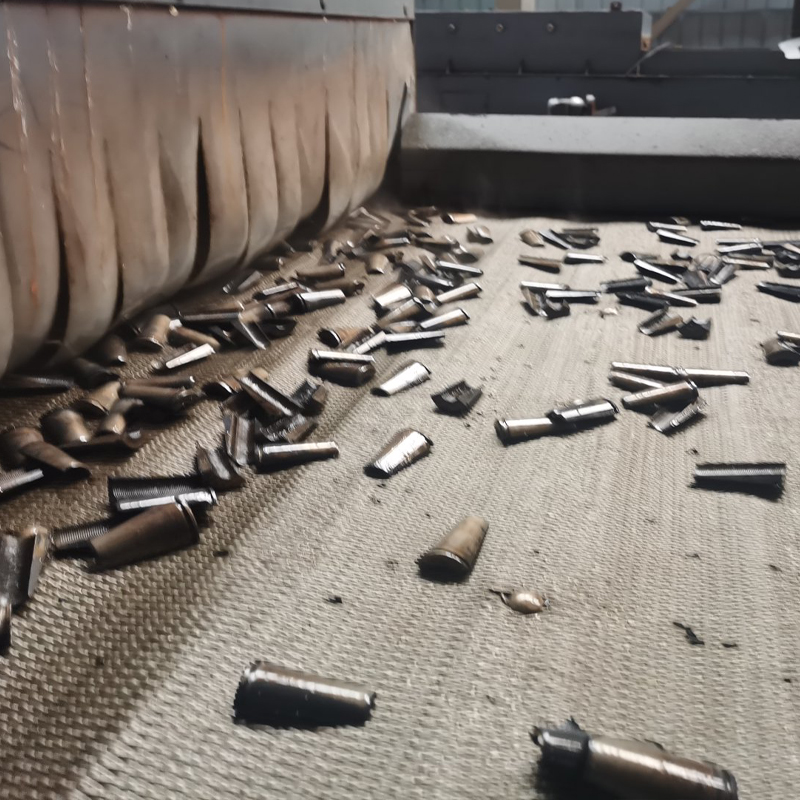
Un punct critic de durere pentru multe operații este pierderea de produs în punctele de transfer sau prin plasa centurii. Dacă transportați piese mici (de exemplu, elemente de fixare, produse de cofetărie), o țesătură strânsă bandă transportoare din plasă metalică cu marginile antrenate de lanț previne căderea și lăsarea [citare: 5]. Pentru articolele de panificație, o curea cu sârmă plată oferă o suprafață netedă care previne amprentarea. Spre deosebire de aceasta, curelele din plasă de sârmă cu apărătoare sau apărătoare laterale pot fi personalizate pentru a menține alinierea produsului pe pante sau prin băi de lichid [citare:7][citare:10].
Recomandări specifice aplicației
Următoarele cazuri de utilizare ilustrează modul de aplicare a criteriilor de selecție în practică.
- Cofetarie si patiserie: A bandă transportoare din plasă de sârmă cu o țesătură echilibrată (de exemplu, 5 x 5 ochiuri) oferă un flux de aer excelent și o stabilitate pentru coacere uniformă [citare: 12]. Pentru îmbrăcăminte sau produse de patiserie delicate, o curea de sârmă plată oferă o suprafață mai netedă pentru a preveni lipirea.
- Prăjire și aluat: Structura deschisă a a centură din plasă de sârmă permite uleiului să se scurgă eficient, îmbunătățind textura produsului și reducând transferul de ulei [citare:1][citare:8]. Construcția din oțel inoxidabil este obligatorie aici pentru rezistența la coroziune.
- Recoacerea și tratarea termică: Mediile cu temperaturi ridicate cer a bandă transportoare din plasă metalică cu oțel cu conținut ridicat de carbon sau aliaje de oțel inoxidabil. Modelele cu lanț cu suport transversal sunt esențiale pentru manipularea sarcinilor grele la temperaturi de până la 1600°F [citare: 7].
- Spălare și uscare: Benzi transportoare din plasă de sârmă cu o zonă mare deschisă (de exemplu, 82%) sunt ideale pentru drenaj rapid și uscare eficientă, deoarece permit apei și aerului să treacă liber [citare:10].
Costul total de proprietate (TCO) și selecția materialelor
Clienții cu valoare mare trebuie să ia în considerare nu numai prețul inițial de achiziție, ci și întreținerea, consumul de energie și longevitatea curelei.
- Clasele materialelor: Ambele tipuri de curele sunt disponibile în oțel inoxidabil (de exemplu, 1.4301/304), oțel carbon și oțel galvanizat. Oțelul inoxidabil, deși mai scump inițial, oferă rezistență superioară la coroziune și igienă, reducând frecvența de înlocuire în medii umede sau acide [citare:1][citare:2].
- Eficiență energetică: Benzi transportoare din plasă de sârmă au în mod obișnuit o masă mai mică a curelei decât curelele din plasă metalică solidă sau rezistentă, ceea ce se traduce printr-un consum mai mic de energie și o procesare mai rapidă [citare:8][citare:10].
- Reparabilitate: Secțiunile modulare ale unor curele din plasă metalică permit reparații rapide prin înlocuirea modulelor individuale fără a demonta întregul transportor, reducând semnificativ timpul de nefuncționare [citare:8].
De exemplu, un lanț cu lățime de 48 de inchi bandă transportoare din plasă metalică utilizat pentru întărirea elementelor de fixare poate necesita suporturi suplimentare pentru a preveni căderea sub sarcini grele, dar construcția sa robustă asigură decenii de funcționare cu întreținere adecvată [citare: 5]. Dimpotrivă, o curea din plasă de sârmă ușoară într-un tunel de răcire, deși necesită mai puțin suport structural, poate avea nevoie de ajustări mai frecvente ale tensiunii pentru a menține urmărirea.
Dincolo de standard: configurații cu lanț și curbe
Pentru aplicații solicitante, ambele tipuri de curele pot fi îmbunătățite cu configurații avansate.
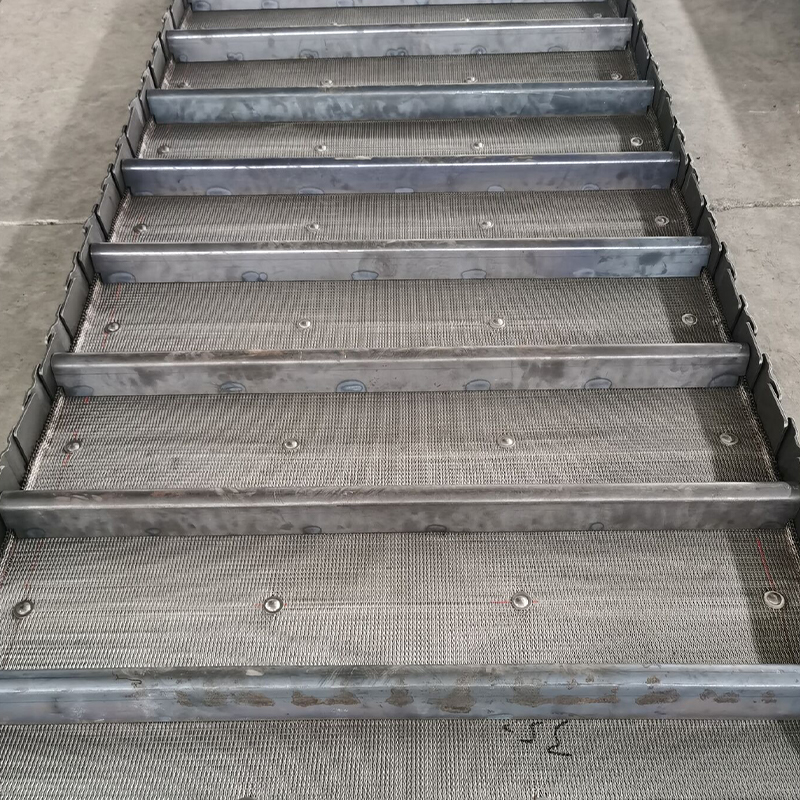
- Curele din plasă metalică cu lanț: Prin sudarea lanțurilor cu pas mare pe margini, centura devine autoportabilă și poate suporta sarcini grele, distanțe mari și înclinații [citare:7]. Această configurație rezolvă, de asemenea, problemele de urmărire frecvente în sistemele cu frecare.
- Curele cu rază (curbate): Pasul conic special bandă transportoare din plasă de sârmăs permite transportul în jurul colțurilor fără puncte de transfer, menținând orientarea produsului și reducând amprenta la sol [citare:10].
- Zboruri și pază laterală: Adăugarea de rampe (barele ridicate) la intervale ajută la separarea produselor sau la mutarea lor în pante abrupte, în timp ce apărările laterale previn scurgerea [citare:10][citare:5].